
Liferay Development Services
Innovative Liferay Solutions for Enterprise
Aspire SoftServ leverages Liferay to create scalable, integrated digital experiences, including intranets and portals, that enhance collaboration and efficiency. Their expertise ensures streamlined workflows and unified data, empowering businesses to adapt and thrive in a dynamic digital landscape.
Future-ready digital experiences powered by Liferay expertise
In today’s dynamic digital landscape, businesses require adaptable and scalable solutions to stay ahead. Liferay, a leading enterprise platform, enables organizations to build integrated and personalized digital experiences that enhance engagement and drive performance. Aspire SoftServ harnesses the full potential of Liferay to develop intranets, portals, and digital ecosystems that boost collaboration and deliver real business impact.
By streamlining workflows, unifying data, and enabling seamless communication, our Liferay solutions empower organizations to operate efficiently and respond swiftly to evolving business needs. With Aspire SoftServ’s deep expertise, your digital experiences are built to evolve, scale, and succeed.
Our Liferay Digital Solutions
Unlock enterprise-grade digital experiences with our Liferay expertise. From seamless portal development to tailored modules, we help you build scalable, integrated, and future-ready platforms that improve operations and elevate engagement.


Portal Development
Portal Development
We create scalable, high-performing enterprise portals using Liferay to centralize your operations. Our portals enable easy access to critical information, improve internal workflows, and support secure, role-based access across teams.

Centralized Access
Scalable Architecture
User Roles
Custom Dashboards
Secure Authentication
Workflow Optimization

Intranet Solutions
Intranet Solutions
Our interactive intranet platforms help foster a collaborative work environment. Designed with user experience in mind, they promote engagement, streamline internal communications, and boost overall organizational productivity.
Collaboration Tools
Employee Directory
Event Calendars
Role-based Access
Social Features
HR Integrations

Customer Experience Platforms
Customer Experience Platforms
Harness Liferay DXP to deliver seamless, personalized customer journeys across multiple channels. We help you enhance customer satisfaction through intelligent segmentation, real-time engagement, and data-driven interactions.
Omnichannel Journeys
Personalization Tools
Analytics Support
Segmentation Engine
Campaign Management
UX Optimization

Content Management
Content Management
Manage and publish content efficiently using Liferay’s robust CMS. We enable you to maintain consistent branding, organize digital assets, and deliver content to the right audience—at the right time and place.
Drag-and-Drop Editor
Content Workflows
Asset Libraries
Localization Tools
Scheduling Options
SEO Management

Integration Services
Integration Services
We integrate Liferay with third-party systems like CRMs, ERPs, and cloud apps to create a unified digital ecosystem. This boosts operational efficiency, ensures data consistency, and improves business decision-making.
CRM Integration
ERP Sync
API Connections
SSO Support
Middleware Config
Real-time Sync

Migration & Upgrades
Migration & Upgrades
Whether upgrading from an older Liferay version or migrating from another system, we ensure a smooth transition. Your data stays intact, and your platform benefits from the latest Liferay DXP features and performance.
Legacy Exit
Version Upgrade
Data Mapping
Downtime Control
QA Testing
Feature Enablement
Accelerate Your Digital Transformation with Aspire’s Liferay Expertise
Certified Liferay Professionals
Our team holds official Liferay certifications With hands-on experience and certified knowledge, we build tailored Liferay solutions that are scalable, secure, and enterprise-ready.
End-to-End Liferay Services
Comprehensive support from start to finish From strategy and consulting to deployment and support, we manage every phase of your Liferay journey to ensure long-term success.
Customer-Centric Approach
Solutions crafted around your business needs We take time to understand your goals, enabling us to deliver customized digital experiences that add real value.
Proven Track Record
rusted by enterprises across industries With successful implementations in multiple domains, our Liferay work speaks for itself in both quality and reliability.
Agile and Scalable Delivery
Flexible development with fast results Using agile methodologies, we deliver on time while keeping the solution adaptable to your growing business needs.
Cross-Industry Experience
Diverse expertise powering innovation From healthcare to finance, our experience across verticals allows us to apply the best practices to your unique challenges.
Enterprise Portals Tailored for Specific Industry Workflows
Liferay's flexibility allows us to deliver robust portal experiences across a range of industries each with its own business rules and digital content priorities.






A Structured Approach to Building Powerful Liferay Portals
Our end-to-end Liferay development process is designed to deliver secure, scalable, and user-centric portals from ideation through post-launch support.
Requirement Discovery & User Role
We gather your functional goals and assess user roles, content workflows, integrations, and multilingual or multisite needs.
Information Architecture & Wireframing
We define portal structures, navigation trees, and user journeys while prototyping key page templates and layouts.
Portal Design & Theme Development
Custom UI/UX designs are developed and converted into responsive, brand-aligned Liferay themes using frontend best practices.
Custom Portlet Development
We build modular, reusable portlets and widgets for specific portal features like dashboards, reports, forms, and workflows.
Content Management Configuration
Using Liferay’s built-in CMS features, we set up content structures, dynamic asset publishing rules, and editorial permissions.
Integration with Enterprise Systems
Liferay portals are integrated with CRMs, ERPs, LDAP directories, payment gateways, or document systems via REST/SOAP or plugins.
Testing, Accessibility & Compliance
We perform end-to-end QA with cross-browser/device checks and WCAG accessibility compliance testing.
Deployment, Training & Ongoing Support
After deployment, we train your internal teams and offer maintenance support, security patches, and performance optimization.
Requirement Discovery & User Role
We gather your functional goals and assess user roles, content workflows, integrations, and multilingual or multisite needs.
Information Architecture & Wireframing
We define portal structures, navigation trees, and user journeys while prototyping key page templates and layouts.
Portal Design & Theme Development
Custom UI/UX designs are developed and converted into responsive, brand-aligned Liferay themes using frontend best practices.
Custom Portlet Development
We build modular, reusable portlets and widgets for specific portal features like dashboards, reports, forms, and workflows.
Content Management Configuration
Using Liferay’s built-in CMS features, we set up content structures, dynamic asset publishing rules, and editorial permissions.
Integration with Enterprise Systems
Liferay portals are integrated with CRMs, ERPs, LDAP directories, payment gateways, or document systems via REST/SOAP or plugins.
Testing, Accessibility & Compliance
We perform end-to-end QA with cross-browser/device checks and WCAG accessibility compliance testing.
Deployment, Training & Ongoing Support
After deployment, we train your internal teams and offer maintenance support, security patches, and performance optimization.
Success Stories
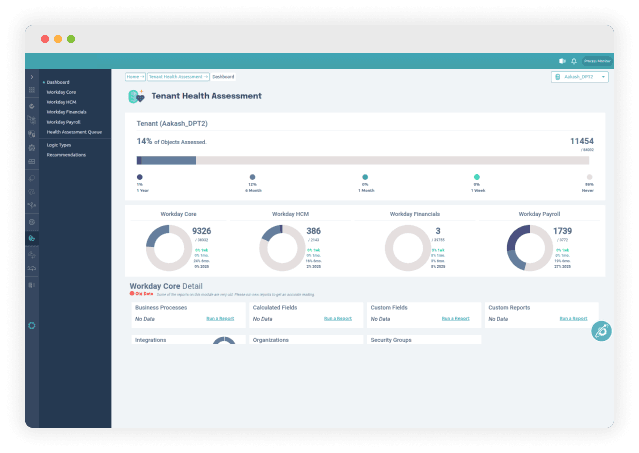
Workday Implementation Automation System
Automated platform for Workday users to manage updates, configs, and insights without external help.
#AutoSaaS#WorkToolsApp helps SaaS customers (Workday users) with tools & insights to self-manage platforms. It analyzes updates, configurations, tenants, & offers reports for feature adoption, visibility, security, integration, tracking, health, & optimization.
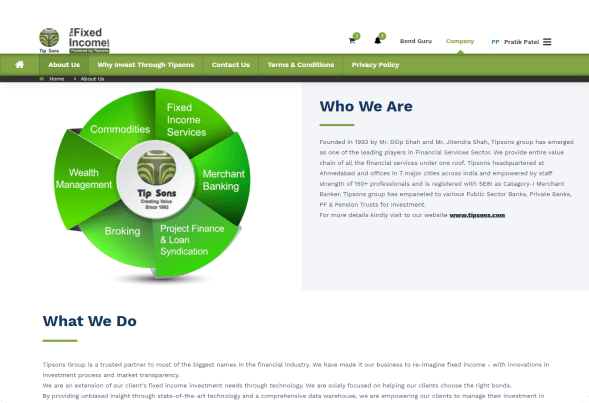
Fixed Income Securities Investment Portal
A marketplace for fixed income investments with B2C and B2B solutions.
#InvestmentBase#B2B2CPortal is an online marketplace for fixed income instruments, offering B2C & B2B SaaS solutions. Includes investment offers, KYC, forecasts, notifications, portfolio management, chat support, white-labeling, multi-site generation, calculations, & reports.
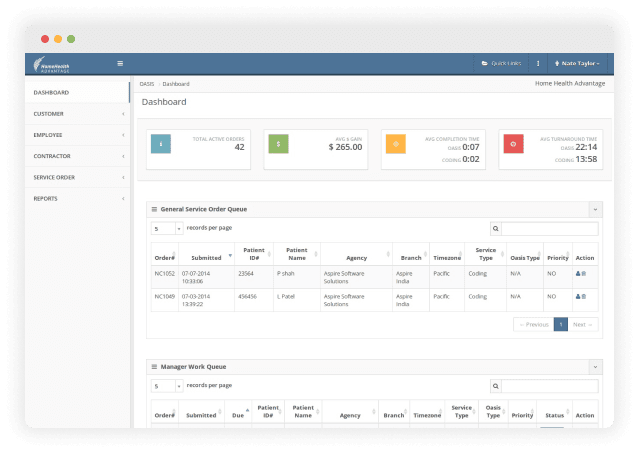
OASIS Service Order Management System for Home Health Agencies
A web app for managing service orders and generating PDF reports from patient charts and OASIS data.
#HealthTech#HealthLogsCustomer team (Nurses) reviews patient charts & OASIS data, provides reports with billing codes & info to improve patient chart for insurance billing via a web app. Used by customers to submit orders & by managers/Nurses to process requests & generate PDF reports.
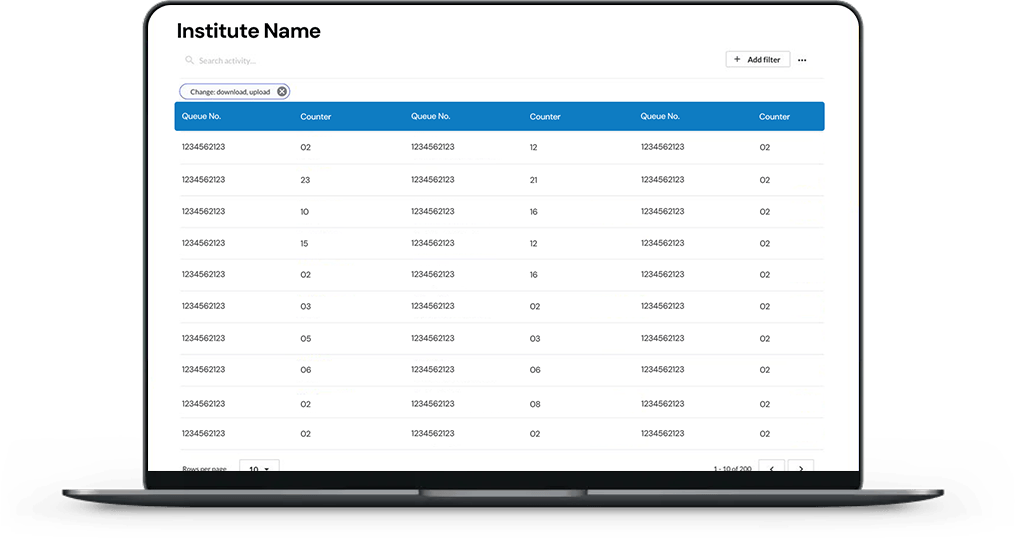
Public Hospital Enterprise Queue Management System
Streamline patient flow with a hospital queue system that reduces wait times and boosts efficiency.
#HealthcareEfficiency#SmartQueueA scalable hospital platform that streamlines patient registration, reduces wait times, and improves operational efficiency. Part of a comprehensive healthcare solution, it offers multilingual, device-agnostic access with centralized administration.
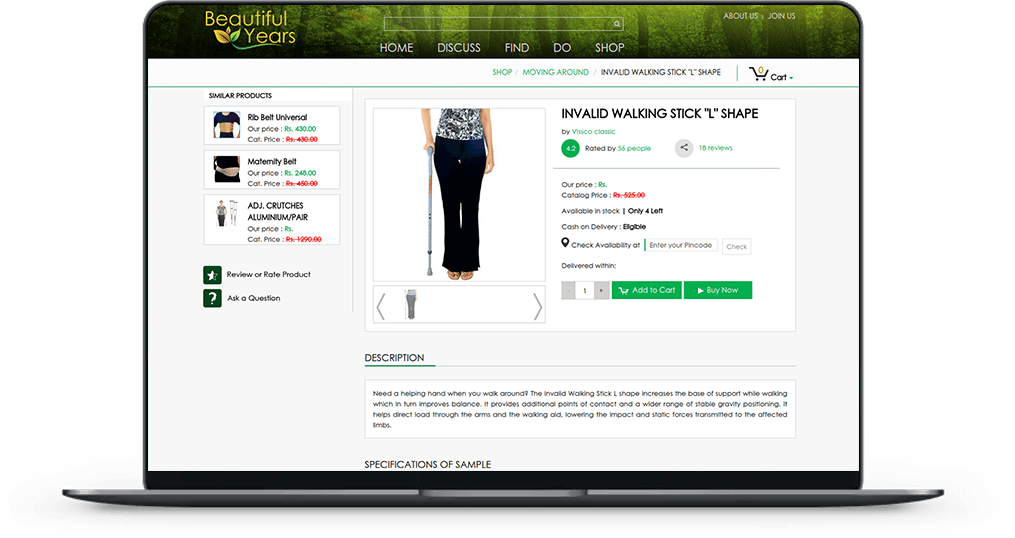
Elderly People Ecommerce Store
Senior-focused ecommerce for elderly care with voice navigation, expert help, virtual demos, and easy delivery.
#SmartShopping#ElderlyCareTechA purpose-driven online shopping platform designed for elderly individuals and caregivers, offering accessible navigation, expert recommendations, and seamless shopping experiences.
Hear from our clients


Client praised the team’s adaptability, expertise, and responsiveness.
The team was highly adaptable and knowledgeable throughout the partnership, much to the client's delight and complete satisfaction. The team was highly responsive, and internal stakeholders were particularly impressed with their deep experience and diverse service offerings.

Sunit Sushil
Manager Customer Excellence at Abzooba Inc
Client praised Aspire’s skill, speed, and professionalism.
Excellent developer skills and professionalism. Aspire was able to meet deadlines with short notice, communicate efficiently with team members on multiple tasks, produce precision functions, and quickly solve our dysfunction within our website. Will definitely hire them again.

Julie Brown
President of Fenix Net Solutions
Client trusts Aspire for quality, agility, and Liferay expertise.
Since 2015, the client has been satisfied with Aspire SoftServ Pvt. Ltd.'s excellent performance. They use agile methodologies, delivering quality design work that has surprised the internal stakeholders. Moreover, they stand out for their skilled resources, who have great expertise in Liferay.

Tony Haux
Chief Compliance Officer





Want to accelerate software development at your company ? See how we can help.
We build custom software tailored to your unique needs—covering everything from front-end interfaces to core back-end systems.
Frequently Asked Questions
Do I need technical expertise to create and manage a web product on Liferay?
No, being a tech-savvy person is not mandatory to build and manage websites on Liferay. Its modern features like inline content editing, drag-and-drop page creation, and configurable style books enable non-technical users to create visually appealing sites. However, for complex customizations or applications, some HTML/CSS knowledge helps, or you might consider working with professional Liferay developers.
Is it important to update my Liferay portal to the latest version?
Yes, updating to the latest Liferay version, especially if you're on older releases like 6.x or below, is essential. Newer versions offer enhanced out-of-the-box functionality, improved user interfaces, better content editing tools, analytics capabilities, and stronger integration options. If you are already on version 7.x, assessing new features against your business needs can help decide if an update is beneficial.
What are the key differences between Liferay Community, DXP, and Enterprise editions?
The Community edition is open-source and includes the core platform suitable for many needs. DXP and Enterprise editions add advanced “enterprise-only” features such as enhanced search, workflow builders, audit trails, and official support. If these capabilities aren’t critical for your project, Community edition may suffice. Enterprise licenses provide additional support services and stability for large-scale deployments.
How does a Liferay developer contribute to my project?
A Liferay developer specializes in designing and building applications within the Liferay platform, including custom portlets, modules, and plugins using the Liferay SDK and IDE. They customize out-of-the-box functionalities, implement extensions, and ensure your portal meets specific business requirements with scalability and security.
What types of digital solutions can be built with Liferay?
Liferay allows development of enterprise portals, intranets, customer experience platforms, and content management systems. Its flexible architecture supports workflows, secure authentication, role-based access, personalized dashboards, and seamless integration with external systems like CRMs and ERPs.
How does Liferay integration improve operational efficiency?
By connecting Liferay with third-party systems such as CRM, ERP, and cloud applications, businesses can ensure unified data flow, reduce silos, and streamline processes. Real-time data synchronization and secure single sign-on (SSO) simplify user experience and enable better decision-making.
What does a typical Liferay consulting or development engagement include?
A typical project begins with assessing your business needs, followed by detailed planning and architecture design. Development includes customization, integration, and performance tuning. After deployment, ongoing services like upgrades, migration, monitoring, support, and user training help maintain and evolve your digital platform.
Browse Our Latest Insights